
When Your Mind Says Enough: Stress, Anxiety, and Seeking Help – Interview with Sylvie Navarová

BY Ing. Žaneta Milošová (Havírová)

Are today’s young people really different, or has the world around them changed the most?

In our interview with psychologist Sylvie Navarová, we explored topics that are now on the minds of almost every parent, teacher, and young person. We talked about the impact of social media, mental health, self-confidence, parenting, digital detox, and why we should not compare today’s generation with the generations before them.

You will discover, for example:

  • why today’s young people are not “different”, but are growing up in a completely different world,
  • how to support a child’s healthy self-confidence,
  • why mistakes are an important part of learning,
  • when it is the right time to seek help from a psychologist,
  • how to approach smartphones, social media, and the online world,
  • why relationships and mental well-being are more important for young people than ever before.

Listen to the full interview in the video above.
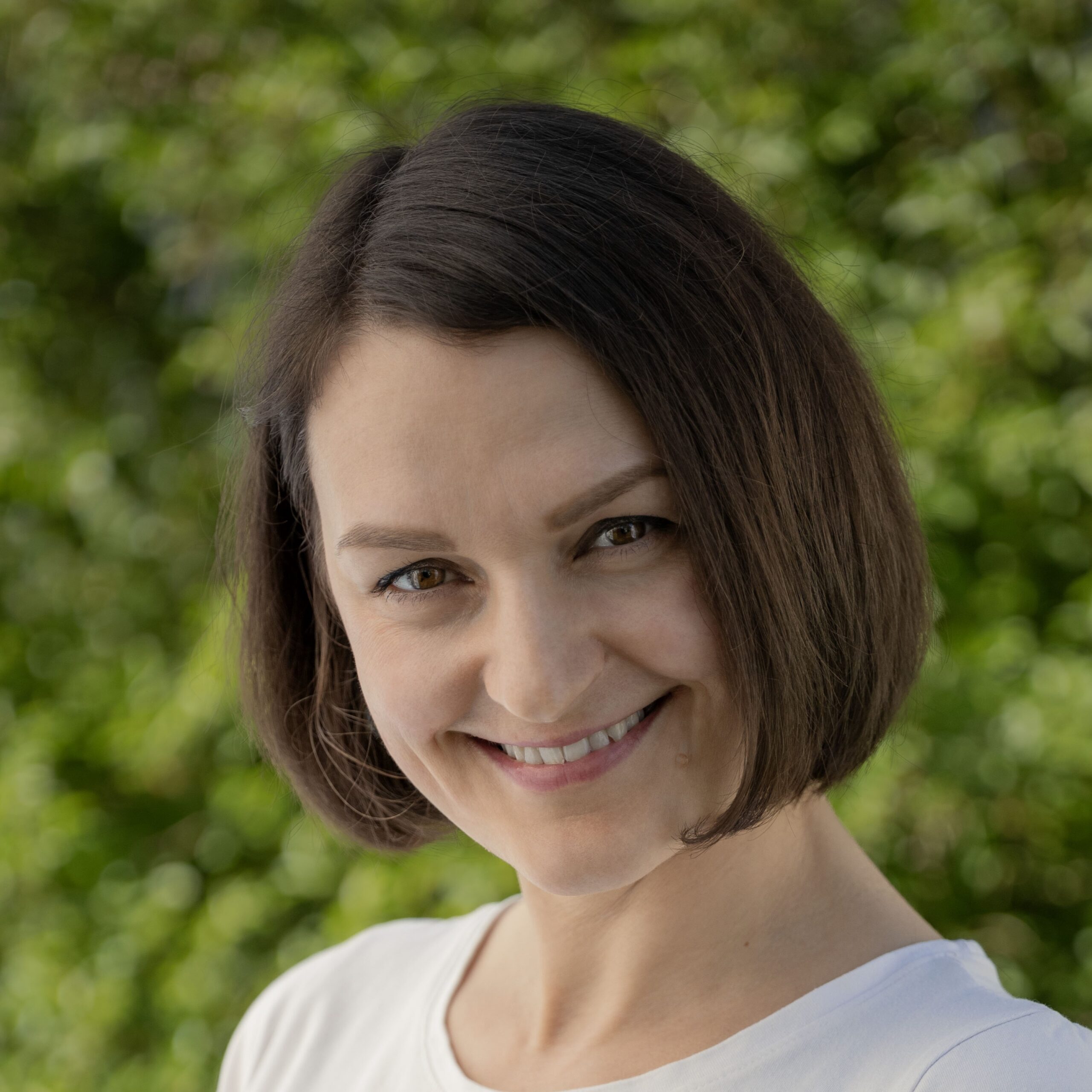
We often hear that today’s young generation is completely different from the previous ones. Is that really true?

Sylvie: In reality, young people are not fundamentally different. What has changed is the world they are growing up in.

I like to use the metaphor that today’s young people are digital natives. They were born into a world where the internet, social media, and global connectivity are part of everyday life. We, as adults, are more like visitors in that environment. We can look into their world, but we will never experience it in the same way they do.

Our reactions to stress, emotions, and difficult situations are essentially the same as theirs. What is different is the amount of information and stimulation they have to process every single day.

While adults have usually learned how to distinguish between information that deserves attention and information they can simply ignore, young people are still developing this skill. Every day they are exposed to an overwhelming flow of news, social media content, and opinions from all over the world. Learning how to navigate this constant stream of information is one of the greatest challenges facing today’s generation.

So, if people themselves haven’t really changed, does that mean the biggest difference lies in how young people experience stress?

Sylvie: The main difference is the sheer amount of stimuli they are exposed to.

Adults have already developed the ability to decide what deserves their attention and what can simply be let go. Young people, however, are still learning this important skill.

Every day they receive information from social media, news platforms, and online communities across the globe. They are not only dealing with events happening in their own country but are constantly confronted with stories from Europe, the Americas, Asia, Africa, and beyond. Processing such an enormous amount of information and deciding what is truly important is far more demanding than it was for previous generations.

We hear more and more about the growing number of mental health challenges among children and adolescents. Is this because they are under greater pressure, or simply because we have better diagnostic tools and are more willing to talk about mental health?

Sylvie: In reality, several factors contribute to this trend.

Health insurance statistics show that mental health difficulties are indeed becoming more common. They affect approximately 15% of adults and around 13% of children, meaning that roughly one in every eight children experiences some form of mental health challenge.

Parenting styles also play an important role. Today, parents naturally place a greater emphasis on keeping their children safe than previous generations did. However, when we try to protect children from every uncomfortable or challenging situation, we also prevent them from developing resilience, independence, and responsibility.

At the same time, improved diagnostics and greater public awareness contribute to the increasing numbers. Today, mental health is discussed much more openly than it used to be, which is a positive step forward.


Watch the full interview in the video above 🎥.

Author

  • Ing. Žaneta Milošová (Havírová)

    She is leading the GreenScan company, which promotes the freedom of choice and the right to information for every consumer. She graduated from Environmental sciences at VSB-TUO and has always been trying to find balance between nature and the modern world. She is dedicated to the popularization of science, educating and raising awareness about the harmful substances around us. She also organizes seminars, webinars, workshops and consulting for individuals, companies and organizations.

    View all posts

0 Comments

Submit a Comment

Your email address will not be published. Required fields are marked *