
M.D. Vojtěch Hanulík, Ph.D. is board-certified doctor in microbiology and dermatovenerology, his speciality are antibiotic-resistant bacteria and skin conditions such as psoriasis and atopic eczema. His work goes beyond the confines of laboratory, as he is actively involved in clinical practice, antibiotic therapy and complex care of patients with dermatological problems. His work is a combination of scientific approach and direct patient care.
Microbiology in Central Europe is still primarily laboratory work, but it is increasingly shifting towards clinical practice. This involves consultations with colleagues in hospitals, recommending and monitoring antibiotic therapy for individual patients, as well as overseeing overall antibiotic consumption within hospital facilities.
Dermatology is a clinical field that encompasses several areas. A significant part of the work involves skin diseases such as psoriasis, atopic eczema, and skin allergies. Additionally, we treat skin conditions resulting from other diseases, such as rheumatic or oncological disorders. We are involved in the prevention, diagnosis, and therapy of skin tumors, caring for both acute and chronic skin defects. Venereology, which includes sexually transmitted diseases, is also part of our scope of practice.
1. Almost everyone gets the occasional spot. But how can you tell when it’s no longer just a few spots and has become acne that should be assessed by a dermatologist?
Is it worth waiting to see whether acne clears up on its own after puberty, or could delaying treatment increase the risk of scarring and long-term skin damage?
This is an extremely important question because dermatologists deal with acne almost every day. Many of the cases we see could have been treated much earlier, preventing permanent damage to the skin.
My answer is simple: acne should be addressed as soon as the first signs appear. In some cases, this may simply mean introducing an appropriate skincare routine, while in others, starting treatment early can prevent long-term consequences such as post-acne marks and scarring. It is also worth remembering that you do not need a referral from your GP—or any other doctor—to see a dermatologist. You can make an appointment directly.
So, when is the right time to see a dermatologist? I would always say: the sooner, the better. I often meet parents who, with the best intentions, book their teenagers in for cosmetic facial treatments for months before seeking medical advice, only to discover that cleansing treatments alone are not enough. If you notice several persistent symptoms at the same time—for example, excessively oily skin together with blackheads (comedones)—it is definitely time to consult a dermatologist.
Another important warning sign is the appearance of small scars after acne lesions have healed. Acne doesn’t only affect the face, either. It can also develop on the back, chest, or décolletage, and these areas deserve treatment just as much.
Boys are often a little more relaxed about acne, and regular facial skincare is still uncommon among them. Girls, on the other hand, usually become concerned earlier and are more likely to seek help. Regardless of gender, the foundation of healthy skin during adolescence is a simple but consistent skincare routine. This involves much more than washing your face with soap. Fortunately, many well-established skincare brands offer effective products specifically designed for acne-prone skin.
Another golden rule is to avoid popping spots. That’s much easier said than done, but in many cases the damage caused by picking can become more noticeable than the acne itself.
Fortunately, dermatologists now have a wide range of highly effective treatment options available. Retinoids deserve a special mention—they can be used both topically and orally, and they remain one of the most effective treatments for acne.
2. Many people believe that spots are caused by poor hygiene. Is acne really a sign that someone doesn’t cleanse their skin properly?
Can washing your face too often—or using scrubs, cleansing brushes or harsh cleansers—actually make acne worse?
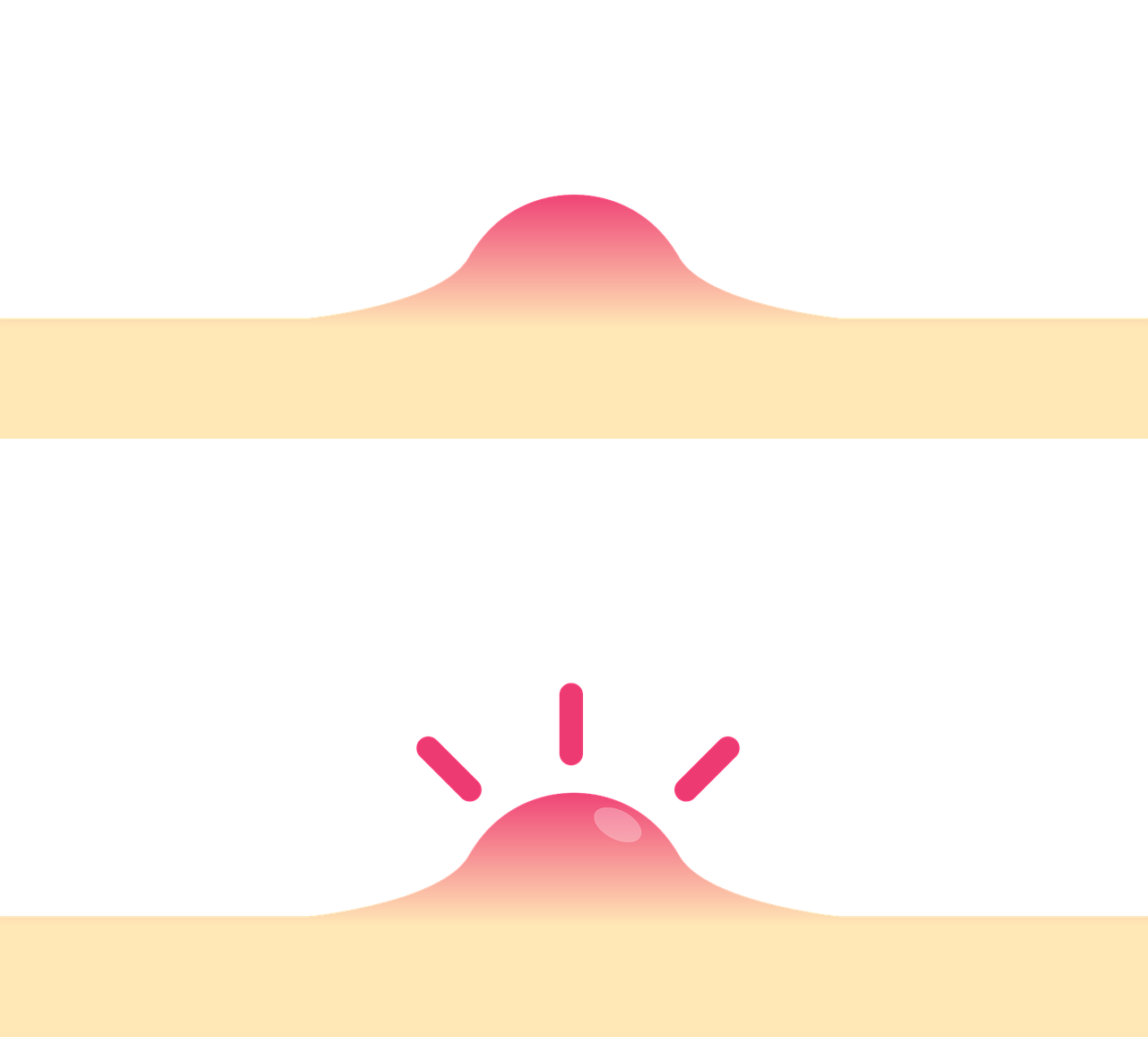
Acne is a multifactorial condition, meaning that several factors contribute to its development. The main causes are increased sebum production, blocked sebaceous glands and the overgrowth of certain skin bacteria. Treatment and prevention therefore focus on addressing these three key factors.
At the same time, it’s important to remember that too much skincare can be just as harmful as too little. Skin that is irritated by excessive or inappropriate care often responds with inflammation. In my practice, I frequently meet people who believe that washing oily skin repeatedly with soap will reduce oiliness. In reality, the opposite usually happens—the skin compensates by producing even more oil.
The aim is to keep the skin balanced. Wash your face with a gentle syndet cleanser morning and evening. This helps regulate sebum production while reducing the number of bacteria on the skin. If acne affects your back, changing your clothes more often and avoiding wearing sweaty clothing all day can also make a noticeable difference.
Exfoliation and professional deep cleansing can also be beneficial, particularly when blocked pores are a significant part of the problem. However, I would recommend leaving these treatments to qualified skincare professionals. Regular professional treatments are generally far more beneficial than using cleansing brushes every day, especially since the brushes themselves must be kept impeccably clean.
I’d also like to mention make-up, as this is something many young women ask about. Make-up itself does not cause acne, but some ingredients may clog pores and contribute to breakouts. These include certain oils, such as coconut oil or cocoa butter, as well as some waxes and silicones when present in higher concentrations. For this reason, it’s worth choosing products labelled “non-comedogenic” or “oil-free”, as these tend to be kinder to acne-prone skin.
Ultimately, however, your own experience is often the best guide. If a particular product works well for your skin, there’s no reason not to keep using it.
One final piece of advice that I give every patient: always remove your make-up thoroughly before going to bed—even after the longest and most exhausting day. Sleeping in make-up clogs your pores throughout the night, and it’s one of the most common skincare mistakes I see among young patients.
Source: Pixabay.com
3. Social media is full of complicated skincare routines involving multiple serums, acids and other products. What does teenage skin actually need, and when can skincare become unnecessary—or even harmful?
Is there a simple routine you would recommend to most teenagers and young adults?
Complicated skincare routines are often counterproductive—and that’s not just my personal opinion. There is simply no universal routine that works for everyone. The more complicated a routine becomes, the more expensive, time-consuming and potentially irritating it is.
Personally, I believe in keeping things simple and following clear, consistent principles. If we’re not talking about prescription medication, the essentials of teenage skincare are straightforward: cleanse your skin gently every morning and evening with an appropriate syndet cleanser, use a clean towel reserved only for your face, avoid touching your face with dirty hands, and don’t forget photoprotection.
Today, there is an excellent range of dermocosmetic products available for acne-prone skin. If you find a moisturiser that suits your skin and genuinely helps, there’s absolutely no reason not to continue using it. Occasional chemical or mechanical exfoliation may also be beneficial, but it should never become part of your everyday routine.
One group of products worth mentioning are those that claim to restore or balance the skin microbiome. Our skin is naturally home to countless microorganisms—particularly bacteria—which usually help protect it, although some can also contribute to skin conditions. Together, these microorganisms form what we call the skin microbiome.
Because acne is largely associated with an overgrowth of certain bacterial strains, some skincare products are designed to help restore a healthier microbial balance. These are not antibiotics, and based on my clinical experience, many of these products have become a valuable part of everyday skincare for people with acne-prone skin.
4. When a spot appears, most people feel the urge to pop it straight away. Is popping spots always a bad idea, or are there situations where it can be done safely?
And what about common home remedies such as toothpaste, alcohol, lemon juice or essential oils?
Who hasn’t popped a spot at least once? As with most things, it’s all about moderation and common sense. If the spot has developed a visible whitehead and is close to the surface of the skin, it can be gently popped—ideally using a clean tissue. However, if popping becomes a habit, especially when dealing with deep, inflamed spots that don’t have a visible whitehead, causing bleeding or leaving scars, then it becomes a problem.
I often tell my patients that they’d be much better off gently stroking their face in front of the mirror than damaging it by constantly picking at their skin. Surprisingly, that advice has helped quite a few of them.
As for the home remedies passed down by parents and grandparents, I honestly don’t come across them very often nowadays. The current trend is the use of hydrocolloid spot patches in skin tones, some of which also contain active ingredients that help inflamed spots heal more quickly. I see these products used frequently, and many young people tell me they’ve had very good results.
So, I’d definitely skip the toothpaste. Alcohol should only be used in very specific situations. And lemon juice? While there is some scientific reasoning behind it, today’s dermocosmetic products are far more effective and much better suited to treating acne, so I would always recommend those instead.
5. How much do hormones, stress, lack of sleep and diet influence acne?
We often hear that chocolate, dairy products, sugar or energy drinks make acne worse. Do we actually know whether certain foods can trigger breakouts?
This is by far the question I get asked most often by my younger patients. Diet and lifestyle are things they can actually influence, unlike their genetics. The first thing I always emphasise is that acne during adolescence is not caused by poor lifestyle choices or bad habits. Teenagers are not to blame for having acne—it is not their fault.
Hormonal changes during puberty, however, play a crucial role in the development of acne. The onset of acne is closely linked to rising levels of androgens—male sex hormones—which are produced in higher amounts during puberty in both boys and girls. These hormones stimulate the sebaceous glands, increasing oil production.
In girls, acne often becomes worse during the second half of the menstrual cycle due to hormonal fluctuations. If acne is particularly severe and is accompanied by irregular periods or excessive hair growth, it may be appropriate to investigate conditions such as polycystic ovary syndrome (PCOS) with a gynaecologist or endocrinologist.
Stress does not directly cause acne, but it can certainly make it worse. When we’re under stress, the body produces higher levels of cortisol, a hormone that indirectly increases oil production and inflammation. On top of that, stressed people tend to touch their faces more often or pick at their spots, making the situation even worse. Lack of sleep has a very similar effect because, in itself, it places the body under physiological stress.
And what about diet? Our understanding has changed considerably over the past few years. The old belief that diet has nothing to do with acne is no longer supported by current research. More recent studies suggest a fairly strong association between acne and foods with a high glycaemic index—such as refined sugar and white bread—as well as dairy products, particularly skimmed milk.
When it comes to chocolate itself, the evidence is less convincing. It’s probably the sugar content rather than the chocolate that’s the main issue. For the same reason, I’d also recommend limiting energy drinks, which usually contain large amounts of both sugar and stimulants.
That doesn’t mean that cutting out dairy products or sweets altogether will magically make acne disappear. My advice is much simpler: enjoy everything in moderation and pay attention to whether you notice that a particular food personally makes your skin worse. Skin responds differently from one person to another.
Source: Pixabay.com
6. What should you do if acne leaves behind red or dark marks, or even scars?
Which changes are likely to fade on their own, and when is it time to see a dermatologist? Can using acids, retinol or at-home skincare devices incorrectly actually make things worse?
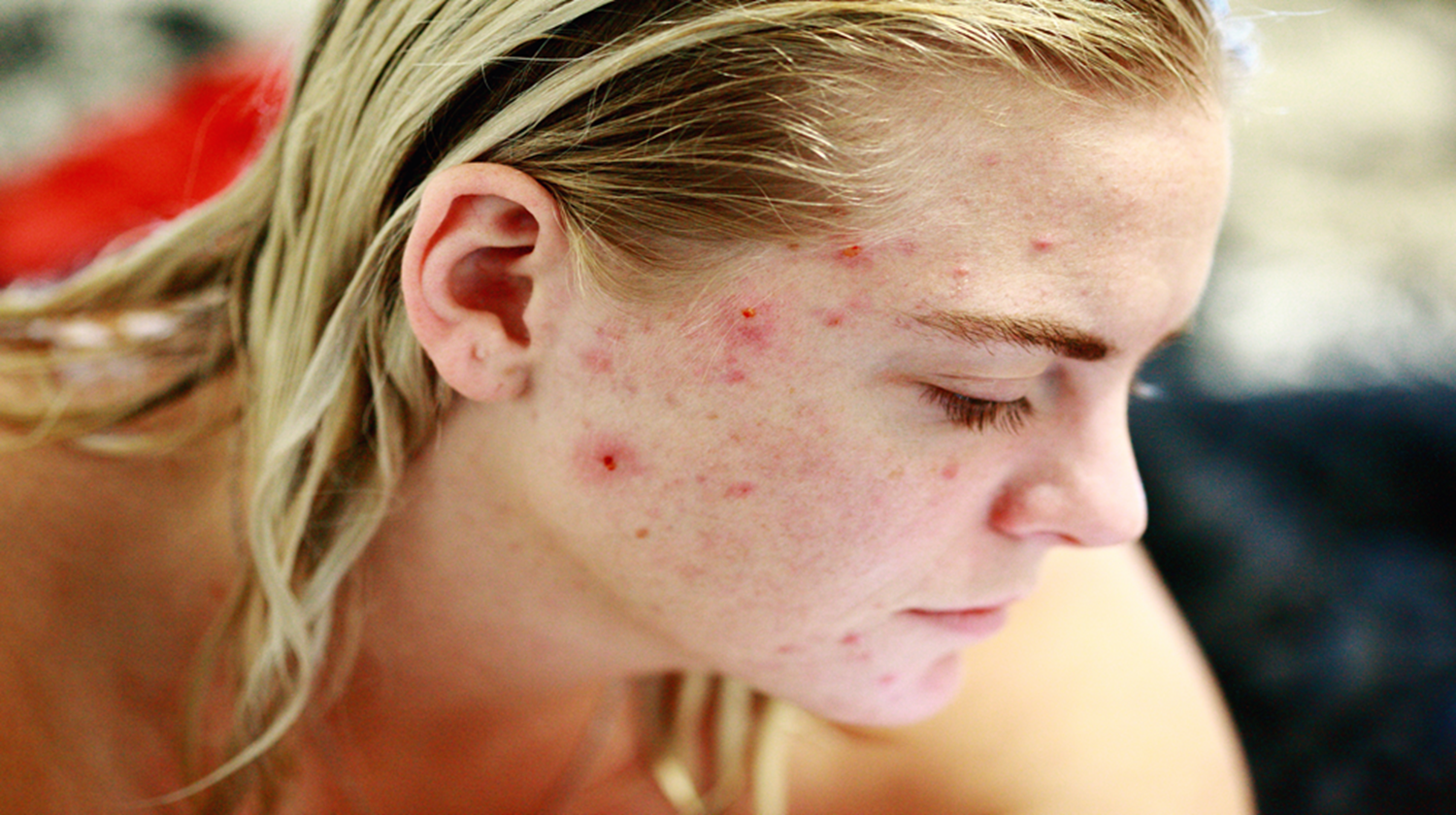
These so-called post-inflammatory changes can be either temporary or permanent. Temporary changes usually appear as redness after a spot has healed, whereas permanent changes include acne scars and areas of darker or lighter pigmentation.
The best approach is prevention. Starting appropriate treatment early—whether topical or oral—together with consistent photoprotection can significantly reduce the risk of permanent skin damage. Pigmentation marks are generally considered a superficial problem and are often easier to treat. Scarring and loss of pigmentation, however, are much more difficult to improve.
I’d like to stress once again that the appearance of acne scars is a clear indication that it’s time to see a dermatologist. In many cases, treatment with retinoids should be considered. Like any medication, retinoids have their own limitations and should be prescribed and monitored by an experienced dermatologist. However, they remain one of the most effective treatments available, and in my experience they almost always lead to a significant improvement in acne.
I would really like young people to know that this treatment option exists and to feel confident asking their dermatologist about it when appropriate.
7. What treatment options are available? And once treatment has started, can we stop worrying about our everyday skincare routine?
Treatment can be either topical or systemic, but one principle always applies: every treatment plan should be supported by appropriate skincare and sensible lifestyle measures.
Topical treatments target the three main causes of acne: excess sebum production, blocked sebaceous glands and the overgrowth of acne-causing bacteria. Based on the severity and type of acne, the dermatologist selects the most appropriate combination of active ingredients.
Systemic treatment is primarily aimed at reducing inflammation. Some medications are prescribed only for short periods, while oral retinoids—the treatment mentioned earlier—are used for several months in more severe cases.
Retinoids are also available as creams and gels, and today they are considered an essential part of modern acne treatment. Like all medicines, however, they can cause side effects. These include increased sensitivity to sunlight, a temporary worsening of acne at the beginning of treatment, and—particularly during the first few days or weeks—redness and irritation of the skin. Fortunately, these reactions usually settle as the skin gradually adapts.
Many patients mistake this temporary redness for an allergic reaction. On several occasions, I’ve had patients who wanted to stop using these highly effective medicines because they believed something was wrong. Once the treatment process had been properly explained, however, they were happy to continue.
Retinoids—and topical antibiotics formulated with alcohol—can significantly dry out even oily, acne-prone skin. That’s why, alongside prescribed treatment, it is essential to moisturise the skin regularly using suitable non-comedogenic creams.
And, of course, all the basic skincare principles we’ve already discussed—gentle cleansing, good hygiene, regular moisturising and consistent photoprotection—remain just as important throughout treatment.

0 Comments