
Welcome to puberty! Your hormones are doing somersaults, and your skin is reacting like “What is going on?!” Don’t worry—you’re not alone, and no, your skin isn’t betraying you (even if it feels like it). Acne is one of the most common skin issues teens deal with—and yes, it’s totally connected to all those hormonal changes.
Why Am I Breaking Out?
During puberty, your body starts producing more androgens—hormones that stimulate oil glands in your skin. That extra oil (called sebum) can clog pores, mix with dead skin cells, and become a party zone for bacteria. The result? Pimples, blackheads, whiteheads, and sometimes even painful cysts [e.g., 1, 2].
GG note: If your acne is painful, getting worse, leaving scars or significantly affecting how you feel, talk to a doctor or dermatologist.
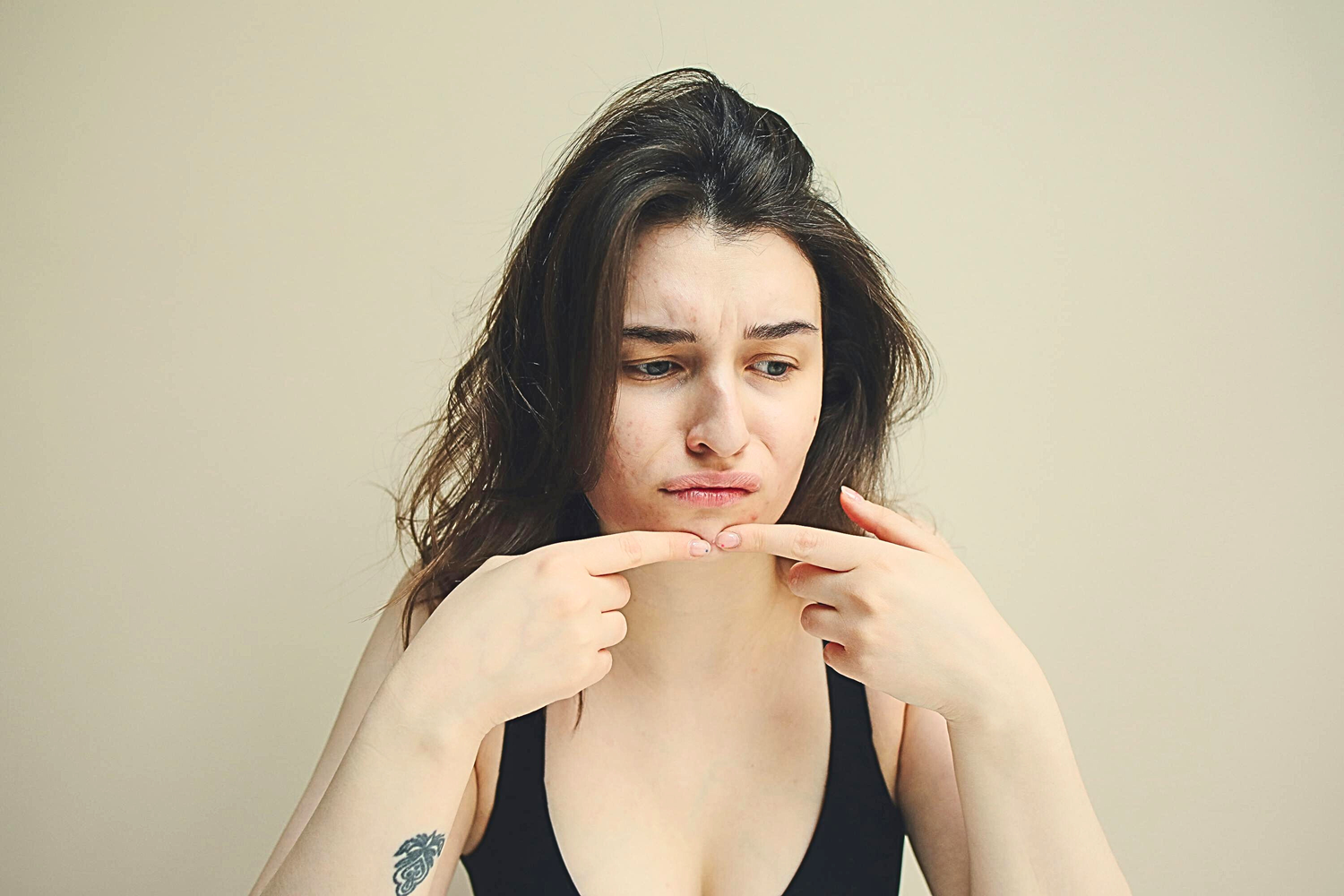
Figure 1: My face before the big school photo… great timing! 😩 (Source: Pexels (adapted))
What can you do?
Remember: it’s not because you’re “dirty” or not washing enough—acne is normal. But let’s make this stage easier for you. Here are some simple, natural ways to help your skin find its balance:
✔ Clean gently, not constantly. Wash your face twice a day with a mild cleanser—over-washing can irritate your skin [3].
✔ Hands off! Avoid picking or popping pimples (hard, we know)—it can cause scarring or make things worse.
✔ Hydrate + rest. Drinking water and getting enough sleep help your skin heal and regenerate.
✔ Watch your diet. Some studies suggest that sugary foods and dairy might make acne worse in some people. Keep an eye on how your skin reacts [e.g., 4, 5].
✔ Try natural DIY treatments. Check out the quick GG2 solution: Face mask for problematic and oily skin. Please remember that while a cosmetic face mask can support your skincare routine, it does not replace proper acne treatment.
💡 Don’t miss out: Join the lesson “Dealing with Problematic Skin” & and read the eye-opening interview “The word of a dermatologist – problematic teen skin”.
GG tip: Puberty doesn’t come with an instruction manual, but we’ve got your back. Acne may be annoying, but it doesn’t define you. Be kind to your skin—and yourself. Breakouts come and go, but confidence and self-care stick around.
If you’re also struggling with sweating during puberty, don’t miss Part I: About Sweating—check out the info-packed blog at the link!
Sources
- James, W. D. (2005). Clinical practice. Acne. The New England Journal of Medicine, 352(14), 1463–1472.
- Zaenglein, A. L. et al. (2016). Guidelines of care for the management of acne vulgaris. Journal of the American Academy of Dermatology, 74(5), 945–973.
- Dreno, B. et al. (2015). Understanding innate immunity and inflammation in acne: implications for management. Journal of the European Academy of Dermatology and Venereology, 29(Suppl 4), 3–11.
- Burris, J. et al. (2013). Acne: the role of medical nutrition therapy. Journal of the Academy of Nutrition and Dietetics, 113(3), 416–430.
- Smith, R. N. et al. (2007). A low-glycemic-load diet improves symptoms in acne vulgaris patients: a randomized controlled trial. The American Journal of Clinical Nutrition, 86(1), 107–115.

0 Comments